
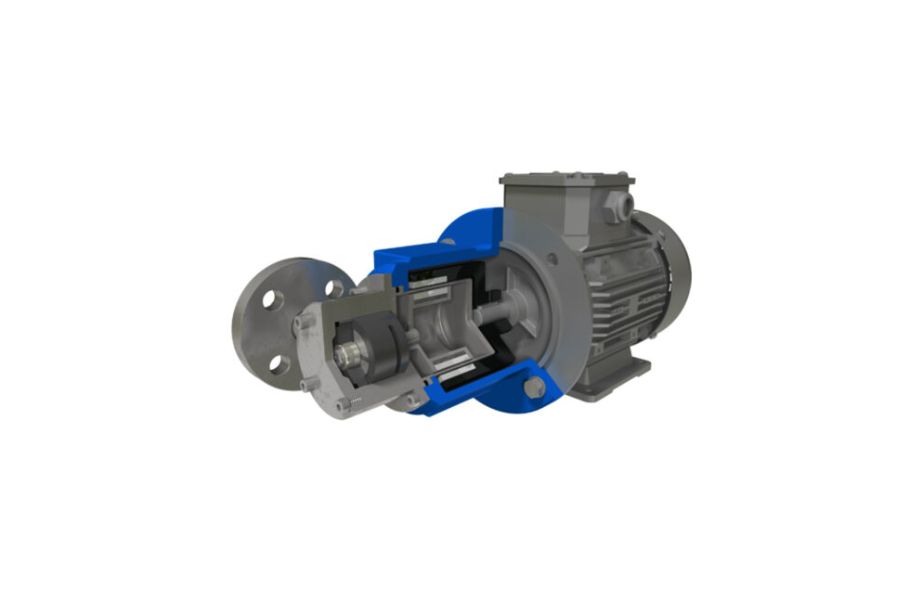
How Displacement Pumps Enhance Efficiency in High-Viscosity Applications
Handling high-viscosity fluids in industrial settings is a complex challenge. These fluids, often resistant to flow, demand specialized equipment for efficient processing. Displacement pumps, particularly positive displacement pumps, emerge as a critical solution, offering unmatched efficiency and reliability for such demanding tasks.
The Role of Positive Displacement Pumps
Positive displacement pumps are at the heart of managing high-viscosity applications. These pumps are engineered to deliver fluid at consistent speeds, irrespective of the system pressure, making them indispensable for operations that require steady flow rates.
Advantages of Positive Displacement Pumps:
Before diving into the specific advantages, it’s crucial to understand why positive displacement pumps are so effective for high-viscosity applications. Their design allows for handling complex fluids without compromising efficiency or safety.
- Consistent Performance: They maintain a uniform flow, essential for the precise handling of viscous fluids.
- Energy Efficiency: Optimized for viscous materials, these pumps operate with high efficiency, minimizing energy waste.
- Versatile Applications: Capable of handling a broad spectrum of fluids, from thick pastes to delicate compounds.
Spotlight on Specialized Types
Among the variety of positive displacement pumps, two types stand out for their specific advantages in handling high-viscosity fluids: positive displacement diaphragm pumps and magnetic drive positive displacement pumps.
- Positive Displacement Diaphragm Pumps: These are particularly suited for moving corrosive or abrasive fluids safely and efficiently.
- Magnetic Drive Positive Displacement Pumps: These pumps offer a leak-proof solution, ideal for handling hazardous or toxic substances without risk of exposure.
Choosing the Right Pump for High-Viscosity Applications
Selecting the appropriate pump for your application requires careful consideration of several factors, including the fluid’s viscosity, chemical properties, and the desired flow rate. Positive displacement pumps, especially diaphragm and magnetic drive models, are designed to meet these specific challenges, providing a reliable and efficient solution for high-viscosity applications.
Key Considerations:
- Fluid Viscosity: Ensure the pump is capable of handling the fluid’s thickness.
- Chemical Compatibility: Choose a pump with materials that can withstand the chemical nature of the fluid.
- Flow Rate Requirements: Match the pump’s capacity with your required flow rate to ensure optimal performance.
The Impact of Positive Displacement Pumps on High-Viscosity Operations
When it comes to industrial processing, especially where high-viscosity fluids are involved, positive displacement pumps stand out for their efficiency, reliability, and versatility. Whether you’re dealing with the thick pastes of the food industry, the sensitive compounds of pharmaceuticals, or the aggressive chemicals of manufacturing, these pumps ensure that your operations flow smoothly and efficiently. By carefully selecting the right type of positive displacement pump, you can enhance the performance and safety of your high-viscosity applications, leading to improved productivity and reduced operational costs.
Vissers Sales Corp. stands at the forefront of supplying these innovative positive displacement pumps, including diaphragm and magnetic drive options, tailored for diverse industrial needs. Our expertise and comprehensive range of solutions empower companies to tackle the complexities of high-viscosity fluid handling with confidence and efficiency.
For those looking to elevate their industrial processes with top-tier positive displacement pumps, Vissers Sales offers the guidance and equipment you need. Reach out to us today to explore how our solutions can transform your operations.