
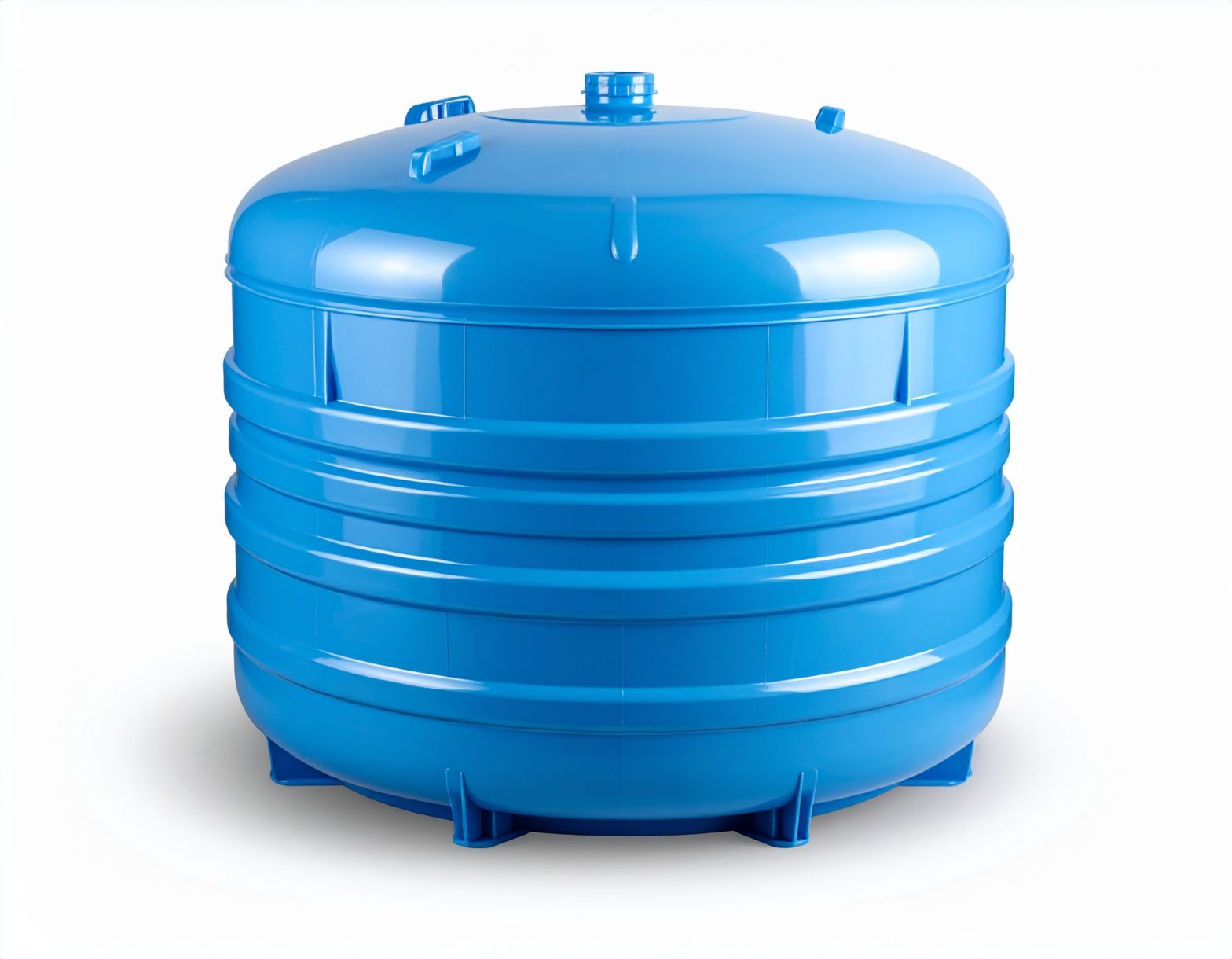
How Can FRP Tanks Help in Industrial Fire Suppression
Industrial facilities depend on reliable fire suppression systems to safeguard equipment, workers, and operations. A critical part of that system is water storage, the foundation for consistent fire response.
This is where FRP tanks store large volumes of water or fire-retardant agents securely.
This ensures a reliable water supply during emergencies. Combining durability, chemical resistance, and cost-effectiveness, these tanks deliver dependable performance in fire protection systems.
The Importance of Reliable Water Storage in Fire Safety
Industrial fire suppression systems rely on steady water pressure and availability. Whether it’s a sprinkler network, foam suppression, or hydrant supply, an uninterrupted water source ensures rapid response during emergencies.
Conventional steel or concrete tanks, while common, can suffer from corrosion, leaks, or costly maintenance. This is even more apparent with exposure to chemicals, temperature fluctuations, or harsh outdoor conditions. FRP tanks overcome these challenges through materials engineered to withstand aggressive environments while maintaining water integrity.
Key Advantages of Fibreglass Water Storage Tanks in Fire Protection
Fibreglass reinforced plastic combines high-strength glass fibres with resin to produce a non-corrosive and lightweight structure. These features translate into several advantages for industrial fire safety:
- Corrosion Resistance: FRP tanks resist rust, scaling, and degradation caused by water chemistry or environmental exposure.
- Lightweight Structure: Installation requires less heavy equipment and time, reducing downtime for facilities.
- Low Maintenance: Smooth internal surfaces prevent sediment buildup and reduce cleaning frequency.
- Chemical Compatibility: FRP storage tanks tolerate additives or fire suppression agents that may damage steel or concrete alternatives.
- Thermal Stability: They maintain structural integrity in fluctuating temperatures, ensuring reliability even in outdoor or remote installations.
Meeting Industrial Fire Codes and Standards
Industrial facilities must comply with local and national fire codes that require dedicated water storage capacity for fire protection. Manufacturers engineer and test FRP tanks according to these standards, ensuring compatibility with fire suppression systems such as:
- Sprinkler systems
- Fire hydrant loops
- Foam proportioning units
- Pump-fed water distribution networks
FRP materials allow for custom tank capacities and configurations that meet these requirements while maintaining flexibility in design and layout.
Common Industrial Applications for FRP Fire Suppression Tanks
FRP tanks are suitable for diverse industries where fire risk and chemical exposure coexist. Common installations include:
- Chemical manufacturing plants
- Power generation facilities
- Water and wastewater treatment sites
- Food and beverage processing plants
- Warehouses and logistics centers
These settings benefit from FRP’s resistance to corrosion. This makes the tanks dependable for long-term water storage without frequent maintenance or coating renewal.
Selecting the Right FRP Tank
Choosing the correct fibreglass reinforced plastic tanks depends on several factors, including:
- Necessary storage volume and flow rate
- Compatibility with installed pumps and piping systems
- Local fire code requirements
- Environmental exposure and placement, both aboveground or belowground.
Consulting with an experienced industrial equipment supplier ensures proper sizing, fittings, and compliance for every project.
Dependable Fire Protection Starts with the Right Tank
In industrial fire suppression, reliability begins with secure water storage. Their corrosion resistance, strength, and longevity ensure continuous readiness with minimal maintenance. Pairing the tank with the right pump system forms a dependable foundation for plant safety.
For more information about FRP water storage tanks and compatible industrial pump systems, contact Vissers Sales Corp today.