Getting the Most Out of Your Mixers
You know the right equipment can make or break your operations. It’s no different when it comes to mixers. The right mixer can improve your product quality, efficiency, and overall bottom line.
Why Mixers Matter?
Mixers might seem simple – they just blend things together. But in industrial settings, getting a consistent mix every time is critical. If you choose the wrong mixer, you could end up with:
- Product defects
- Wasted materials
- More downtime
On the flip side, the right mixer can:
- Improve product quality
- Speed up production
- Lower your operating costs
Product Quality Counts
In industries like pharmaceuticals, food processing, or chemicals, consistency is key. Every batch needs to be mixed just right to meet standards. Using the wrong mixer can lead to uneven mixes, which means rejected batches and potential regulatory issues. Some mixers are better for thick or sensitive materials, ensuring a uniform blend every time.
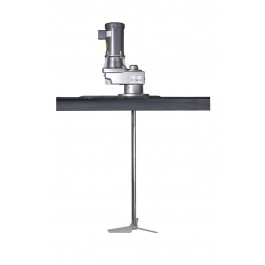
For example, Cleveland’s top-entry mixers (like the APD Series) are particularly effective in pharmaceutical and chemical applications where precise and consistent mixing of high-viscosity or sensitive substances is required. The controlled blending capabilities of these mixers help maintain strict quality assurance standards, minimizing the risks of non-compliance and ensuring product integrity.
Improve your Efficiency
The right mixer also means getting things done faster. If your mixer isn’t matched to your process, you might need longer mixing times or multiple cycles, which slows everything down and uses more energy. Choosing a mixer designed for your specific needs can speed up production, make installation easier, and reduce downtime. Mixers specifically designed for certain processes – such as clamp-on direct drive mixers – deliver quick, efficient mixing, greatly improving throughput. Mixers, like Cleveland’s CG/CAG Series, offer rapid, thorough blending capabilities and are easy to install or relocate.
Save on Energy and Maintenance
Efficient mixers use less energy, which cuts down on your bills and helps with sustainability. Plus, well-built mixers last longer and need less maintenance. This means fewer breakdowns and less downtime, keeping your operations running smoothly. Some mixers are even designed for easy maintenance, making servicing quick and simple.
What to Consider When Choosing a Mixer?
Here are some key things to think about:
- What are you mixing? Consider the thickness (viscosity) and weight (density) of your materials.
- How much are you mixing? Think about the size of your operation and the volume you need to handle.
- What kind of mixing do you need? Do you need gentle blending or more aggressive mixing?
- Are there any special rules? Industries like pharmaceuticals and food processing have strict hygiene rules, so you might need special mixers that are easy to clean.
Choosing the right mixer is a big deal. It affects your product quality, how efficiently your plant runs, and even how much you spend on energy and maintenance. If you need help finding the right mixer for your needs, it’s always best to talk to an expert. They can help you pick the equipment that will keep your operations running smoothly and profitably.
Our experienced team at Vissers Sales Corp. is here to help you select the mixer that best fits your specific operational needs and goals, providing expertise that ensures long-term success. Contact us today using our website or toll-free number 1-800-367-4180.