How Industrial Pressure Drift Reduces Production Yield and Why Booster Pump Systems Matter
Pressure stability determines how reliably an industrial process runs. When pressure begins to fluctuate, even slightly, the shift affects flow rates, dosing accuracy, equipment performance, and production consistency. Many industrial facilities experience pressure drift without realizing how much it impacts day-to-day output and long-term efficiency.
This article explains how pressure drift develops, why it affects production yield, and how water pressure booster pump systems support stable performance across industrial applications.
Why Pressure Drift Happens
Pressure drift refers to gradual or recurring drops in system pressure during operation. It often begins subtly, but its effects expand across pumps, piping, and process equipment. Several factors contribute to this pressure loss:
- Pipe friction losses from long distribution lines
- Simultaneous demand from multiple process points
- Valve restrictions that change during operation
- Aging pumps operating below rated capacity
- Intermittent flow requirements in large facilities
- Clogged strainers or partially obstructed piping
Each factor disrupts consistent flow, causing pressure to fall below design levels. Even small reductions can affect critical processes dependent on steady flow and repeatable operating conditions.
How Pressure Drift Reduces Production Yield
When an industrial system loses pressure, the production line begins to compensate. Equipment cycles become inconsistent. Water pressure booster pumps strain to meet the target flow, and essential processes operate outside their intended parameters. These conditions reduce yield through several mechanisms:
1. Reduced Flow to Dosing and Chemical Feed Systems
Lower pressure often leads to lower flow through injection points and eductors. This results in underdosing or delayed reactions.
2. Temperature Instability in Heat-Transfer Equipment
Heat exchangers and cooling systems rely on steady water flow. Pressure drift disrupts heat transfer and increases variability.
3. Slower Production Cycles in Washdown and Cleaning Operations
Rinsing or cleaning systems requires consistent pressure. When output drops, cycle times increase and throughput suffers.
4. Increased Wear on Pumps and Control Valves
Equipment compensates for lost pressure by operating harder and longer. This increases mechanical wear and reduces lifespan.
5. Higher Rejection Rates
Processes that depend on consistent flow, mixing, blending, metering, filtration, and utility water supply produce uneven results when pressure fluctuates.
Across industrial environments, pressure drift often becomes a hidden cause of slowdowns. Facilities may focus on visible problems while overlooking the pressure variations that triggered them.
Where Pressure Drift Causes the Most Production Disruption
Static and rotating equipment experience performance issues when pressure is unstable. The primary problem areas include:
- Boiler feed and cooling systems
- Chemical manufacturing and fluid processing
- Washdown stations
- CIP and sanitation systems
- Mixing and blending processes
- Filtration and separation systems
- Multi-story industrial buildings with long piping runs
These systems rely on uninterrupted pressure to deliver consistent results. When pressure drops at the source or along the distribution network, output quality and speed decline.
How Booster Pump Systems Restore Performance
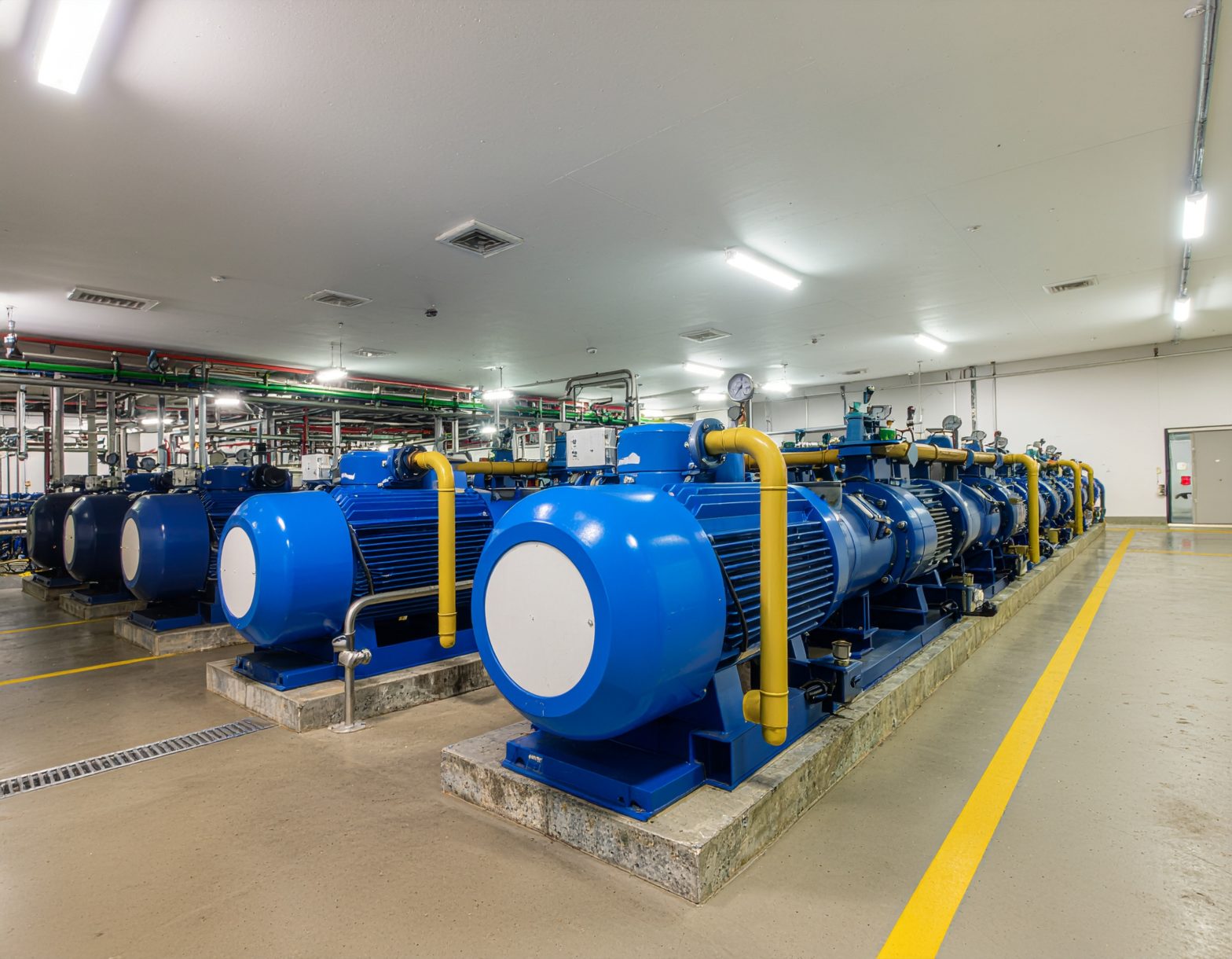
A water pressure booster pump system maintains steady pressure across varying demand conditions. The system increases pressure, stabilizes flow, and prevents the fluctuations that typically disrupt production.
Key ways booster pump systems support performance:
- Maintains Pressure Across Long or Complex Piping Networks: Friction losses increase in large facilities. Booster pump systems compensate automatically.
- Supports Simultaneous Water Demand: When several points require water simultaneously, booster pumps maintain the required pressure.
- Improves Flow Consistency for Injection, Mixing, and Metering: Stable pressure ensures predictable performance in dosing systems and process equipment.
- Reduces Equipment Strain: Pumps and valves operate more efficiently when pressure remains stable.
- Enhances Product Consistency: With fewer variations, processes produce more predictable outcomes and higher yields.
Industrial facilities must ensure the booster pump system is sized correctly for the application. It is also important to ensure proper monitoring and matching to the application’s pressure and flow profile. This ensures reliable operation even as demand fluctuates throughout the day.
Selecting a Booster Pump System
Every industrial environment has different water distribution challenges, but several factors consistently influence booster pump selection:
- Required system pressure
- Flow rate demands
- Number of simultaneous use points
- Vertical lift or elevation changes
- Pipe diameter and total length
- Fluid characteristics
- Control and automation requirements
A well-designed water pressure booster pump in Canada must align these factors with real operating conditions. This helps maintain stable pressure under varying load conditions.
Also Read:
The Hidden Money Leak in Your Pump Room
Understanding the Risks of Oversized Water Pressure Booster Pumps
How to Know If a Water Pressure Booster Pump Needs Repair or Replacement
Stable Pressure Protects Production Yield
Pressure drift silently reduces production efficiency, affects flow stability, and increases operating costs across industrial systems. Booster pump systems provide the consistent pressure necessary for accurate dosing, strong flow delivery, and dependable equipment performance.
For access to industrial potable water booster pumps for pressure stabilization and production reliability, contact Vissers Sales Corp.