
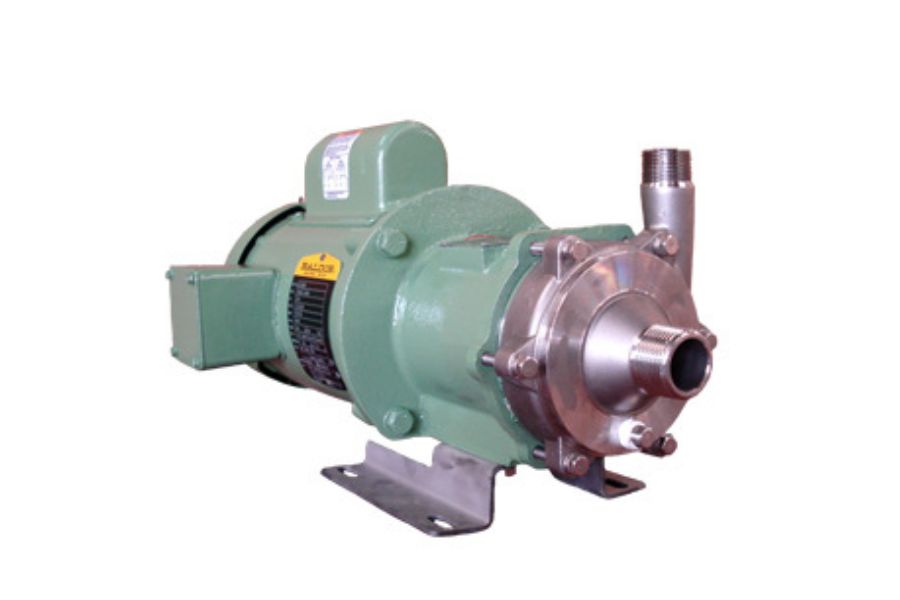
Evaluating the Common Concerns About Mag Drive Pumps
Mag-drive centrifugal pumps are widely used in industries where leak-free and low-maintenance operation is critical. By eliminating shaft seals with a magnetic coupling, these pumps minimize leakage risks and improve workplace safety.
However, some concerns persist around the performance and reliability of mag drive pumps. This blog aims to provide clarity by addressing common questions and misconceptions associated with mag drive pumps.
Understanding Mag Drive Pumps and What Sets Them Apart
Mag drive pumps use a magnetic coupling system to transmit mechanical power from the motor to the pump impeller through a sealed chamber. This design removes the need for dynamic seals, which are often the weakest point in conventional pumps, prone to leakage and failure. This feature makes magnetic drive pumps especially suitable for handling hazardous or corrosive fluids safely.
Common Concerns About Mag Drive Pumps in Canada
1. Addressing Performance Expectations
A common question revolves around whether mag drive pumps can handle demanding, around-the-clock operations. These pumps have fewer moving parts compared to mechanically sealed pumps, reducing wear and the likelihood of unexpected breakdowns. With proper application matched, they deliver consistent performance and long service life.
2. Evaluating Application Limitations
Mag drive pumps are not ideal for applications involving large solids or abrasive slurries. Solids can cause wear on the internal components or even block the pump. For this reason, they are better suited for clean, chemical-based, or low-viscosity fluids. Where trace solids are unavoidable, pre-filtration systems can often help mitigate potential issues.
3. Considering Heat Management
As the pumped liquid cools and lubricates the bearings, dry running can quickly lead to overheating. This is one of the most significant operational risks for mag drive pumps. Installing safeguards, such as flow sensors, level switches, or automatic shutdown systems, can help prevent issues. These protections significantly reduce the likelihood of heat-related failures.
4. Balancing Efficiency with Design
Mag drive pumps can be slightly less efficient than mechanically sealed pumps due to magnetic coupling losses. However, this difference is often minimal. The long-term savings from reduced seal replacement, less downtime, and improved workplace safety frequently outweigh the efficiency gap. For industries handling hazardous or expensive fluids, the trade-off is usually well justified.
5. Understanding Service Needs
With fewer wearable parts and no mechanical seal, mag drive centrifugal pumps require less frequent service. Typical maintenance involves replacing bushings or bearings rather than seals, reducing long-term costs. Many facilities find that the reduced maintenance demands lower total ownership costs compared to traditional pumps.
Clear Insight on Mag Drive Pumps
Mag drive pumps offer several operational benefits, primarily including leak-free performance and reduced maintenance. Understanding and addressing common concerns during selection and installation ensures these pumps meet industrial needs efficiently and safely.
Businesses using or considering mag drive pumps, careful evaluation of specific requirements and working with experienced suppliers leads to successful long-term equipment performance. Ready to evaluate mag drive pump options? Contact Vissers Sales Corp for tailored recommendations.