Why Industrial Peristaltic Pumps Are Gaining Ground in Canadian Facilities
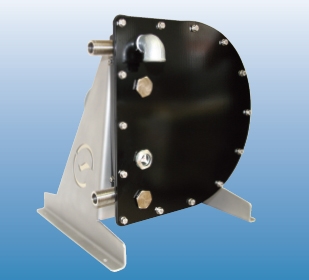
The use of the industrial peristaltic pump is increasing across Canada as more industries seek dependable, low-contact fluid handling methods that reduce the risk of leaks and contamination. These pumps operate without valves or seals, which reduces the likelihood of leaks or product contamination. Their design makes them useful for many fluid handling needs in manufacturing and chemical operations.
Advantages: Gentle Handling, No Contamination
A peristaltic pump moves liquid through a flexible tube using rotating rollers. The fluid never comes into contact with any moving parts. This keeps the pump chamber clean and reduces wear and tear.
- Gentle fluid movement: It gently moves fluids, protecting shear-sensitive or fragile materials from damage.
- Seal-less design: It does not rely on valves, seals, or glands, reducing the risk of mechanical failure and fluid leaks, lowering maintenance costs, and increasing uptime.
- Fully contained flow path: Fluids remain fully contained inside the tubing, preventing contact with pump components and reducing the chance of contamination.
- Simple maintenance: The tubing can be easily replaced without needing to disassemble the pump or stop the system for extended periods.
Industries Adopting Peristaltic Pumps
Many facilities choose industrial peristaltic pumps for operations where fluid integrity, safety, and equipment simplicity are essential.
- Chemical processing: These pumps are suited for handling corrosive, acidic, or thick fluids. Since the fluid stays inside the tubing and avoids mechanical parts, the chance of leaks or contamination is low.
- Food and beverage: Peristaltic pumps are used to move ingredients and cleaning fluids in food systems. Their sealed design prevents cross-contamination and supports sanitation.
- Pharmaceuticals: These pumps transfer high-value or sensitive fluids without contact with external parts. This supports cleanroom operations, such as sampling or media preparation, where sterility is crucial.
- Water treatment: Peristaltic pumps precisely dose treatment chemicals, such as chlorine and coagulants. They deliver a steady flow and withstand harsh chemicals.
- Mining and slurry handling: These pumps can handle abrasive or thick mixtures, such as slurry or mud. Their wear-resistant tubing and seal-less build reduce the risk of leaks, even with heavy, solid fluids.
How to Select Peristaltic Pump Suppliers in Canada
Choosing the right peristaltic pump suppliers depends on the product range and technical knowledge.
- Tubing and chemical compatibility: The supplier should offer tubing and pump head options that match different chemical types and concentrations.
- Sizing and installation guidance: They should assist with pump sizing and provide answers to questions related to installation.
- Local support and inventory: Providing local support for replacement parts and service is also crucial in reducing downtime.
- Industry knowledge: The supplier should have experience working with companies in your specific industry or application area.
Maintenance and Operating Considerations
The tubing of peristaltic pumps is the primary wear part and should be inspected according to usage.
- Inspect tubing regularly: It is essential to inspect the tubing for any cracks, swelling, or signs of fatigue. Regular inspections help identify potential issues before they impact performance.
- Use suitable tubing materials: Choosing the correct tubing material for pumping fluid reduces wear and limits the risk of chemical breakdown. This ensures the pump operates safely and effectively.
- Follow replacement schedules: Tubing should be replaced at recommended intervals, even if no damage is present. Scheduled replacement helps prevent unexpected system stops during production.
- Avoid dry runs: Running the pump without fluid for too long can cause the tubing to overheat and fail. Always check fluid levels and flow before starting the pump.
Peristaltic Pumps in the Future
As more facilities seek safe, low-maintenance fluid handling systems, the industrial peristaltic pump is becoming the go-to choice.
Vissers Sales Corp. supplies high-quality peristaltic pumps in Canada, guiding product selection and providing support. With over 35 years of experience, we work with facilities to improve their fluid handling systems using proven pump technologies.
Contact us today to discuss the ideal peristaltic pump for your facility.