
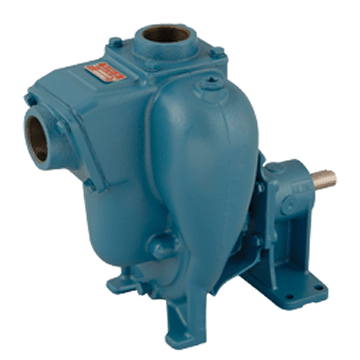
Centrifugal Pumps in Canada: The Key Players in Industrial Settings
Efficient fluid handling is critical in industrial environments. Reliable equipment ensures smooth operations and process stability when moving clean water or corrosive chemicals. One type of pump continues to stand out due to its adaptability and performance: the centrifugal water pump.
Its straightforward mechanism and wide applicability make it essential in various Canadian industrial settings.
How Centrifugal Pumps Work
Centrifugal pumps operate by converting rotational energy into fluid movement. The motor spins an impeller, which increases fluid velocity and directs it through the pump casing. The result is a steady flow of liquid with minimal pulsation.
This design is suited for applications requiring consistent pressure and high flow rates. Simplicity in design also contributes to ease of maintenance and reduced wear.
Applications Across Industrial Sectors
Industrial centrifugal pumps are used in a wide range of operations, including:
- Water treatment and transfer
- Chemical manufacturing
- Cooling systems in power generation
- Food and beverage processing
- Mining and slurry movement
- HVAC and fire suppression systems
Each application may demand unique materials, seals, or configurations based on temperature, fluid composition, and flow requirements.
Key Specifications to Consider
When selecting a pump, understanding specific system requirements is essential. Key factors include:
- Flow rate and head pressure
- Fluid characteristics (viscosity, temperature, abrasiveness)
- Material compatibility (stainless steel, plastic, etc.)
- Seal type and bearing arrangement
- Power source and mounting design
Matching pump characteristics to process conditions ensures long-term reliability and performance.
Local Availability and Supplier Support
Sourcing from Canadian distributors ensures quicker lead times, regulatory familiarity, and technical support. Centrifugal pumps in Canada, suppliers like Vissers Sales provide local knowledge and help match models to application needs.
Access to replacement parts and after-sales service also enhances uptime and reduces delays in critical operations.
Comparing Models and Pricing
Pumps vary in efficiency, cost, and durability based on brand and construction. Comparing models by total cost of ownership, rather than upfront price, helps buyers assess long-term value.
Trusted centrifugal pump suppliers work closely with clients to evaluate multiple models based on:
- Operational lifecycle
- Maintenance intervals
- Energy efficiency
- Availability of spare parts
This consultative approach supports cost-effective pump selection for long-term operations.